
Daugbjerg Madsen Group – SecretoDynamics (SecDyn)
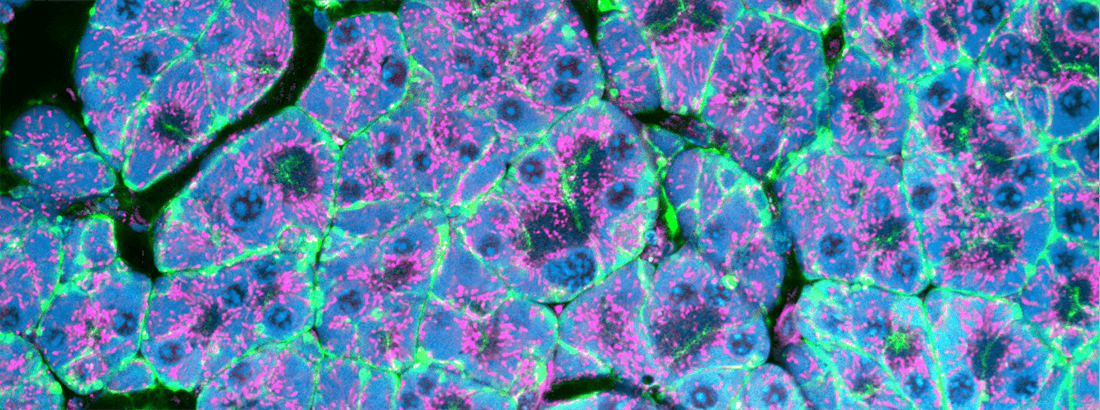
Compromised secretion from gastrointestinal organs underlies prevalent diseases of the gut such as diabetes mellitus and inflammatory bowel disease. While clinically, they commonly present as inflamatory or autoimmune diseases, the cellular basis for immune-mediated organ dysfunction is poorly understood.
Specialized secretory cells within these organs produce a large amount of proteins, such as digestive enzymes (exocrine) or hormones (endocrine), which are stored in granules as cargo. The cells release the cargoes through regulated secretion to perform and coordinate digestive, anti-inflammatory, protective, and metabolic functions.
This extraordinary protein production load is prone to error when the organs are under metabolic stress, however, the mechanisms behind how packaging and release of regulated secretory proteins are orchestrated remains unclear.
We have identified that protein O-glycosylation, a post-translational modification, is maintaining correct cargo loading in granules, and that this modification is susceptible to metabolic stress, predisposing tissues for secretory dysfunction and inflammation.
To explore this, we combine animal models, ex vivo and in vitro methods to uncover the regulating mechanisms for exocrine and endocrine secretion that are influence by metabolic stress to reach our ultimate goal: identifying biomarkers and interventions that can aid in the prevention of diseases in secretory organs.
Dysregulated O-Glycosylation Sets the Prediabetic Proinflammatory Stage
In this project, we will study:
- O-Glycan Changes in Relation to Prediabetic Progression
- Pancreatic Exocrine / Endocrine Crosstalk
- O-Glycan-mediated Inflammatory Control in the Pancreas
- The role of O-glycosylation in Endocrine & Exocrine Packaging
The project is funded by the NNF emerging program awared in 2026.
- Animal models (e.g. diet-induced obese)
- Multiplex iterative staining of tissues
- Spatially-resolved ‘Omics
- In vitro phase separation
- Confocal / spinning disk microscopy
- 3D clearing of tissues & wholemount imaging
- Intravital Microscopy (Fluorescence microscopy in living rodents)
- Novo Nordisk Foundation
Group members
| Name | Title | Phone |
|---|
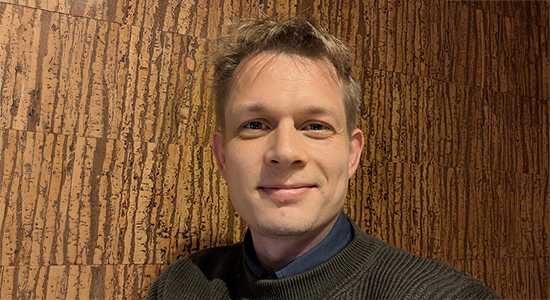
Group Leader
Thomas Daugbjerg Madsen
Assistant Professor
Phone: +45 3533 5519
daugbjerg@sund.ku.dk
ORCID: 0000-0002-7598-4636